
Lost in Paradise
Play Lost in Paradise
Lost in Paradise Screenshots



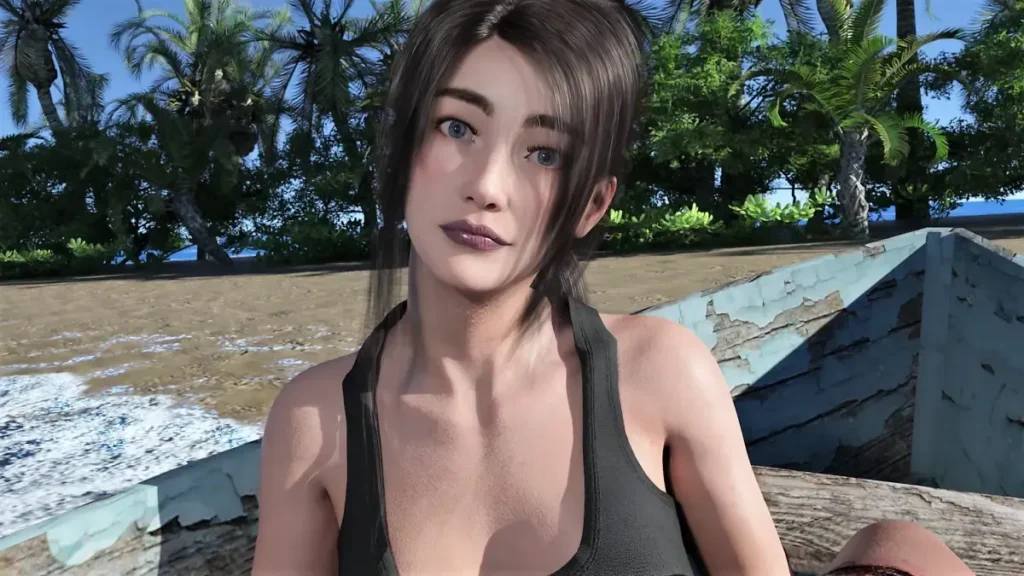



Lost in Paradise review
Explore Gameplay, Characters, and Tips for Lost in Paradise
Lost in Paradise is a captivating interactive game that combines immersive storytelling with engaging gameplay mechanics. This guide dives deep into the core aspects of Lost in Paradise, offering insights into its characters, gameplay features, and strategies to enhance your experience. Whether you’re a newcomer or looking to master the game, this article provides a comprehensive overview to help you navigate and enjoy Lost in Paradise to its fullest.
Understanding Lost in Paradise: Gameplay and Features
Ever find yourself clicking through a game, half-paying attention to the text boxes, just waiting for the next pretty background? 🙄 I’ve been there. Then, I booted up the Lost in Paradise game on a whim, and two hours later, I was genuinely startled by a notification—I had been so completely absorbed. This wasn’t just another visual novel; it was an experience that asked for my full participation. If you’re curious about what makes this title so captivating, you’re in the right place. Let’s unpack everything that makes this digital paradise worth getting lost in.
What is Lost in Paradise? Overview and Setting
At its heart, the Lost in Paradise game is a narrative-driven, choice-based adventure that blends elements of romance, mystery, and light life simulation. You step into the shoes of a protagonist who, seeking a fresh start, finds themselves on a secluded, sun-drenched archipelago. This isn’t just a tropical postcard; the Lost in Paradise setting is a character in itself. 🏝️
We’re talking about a chain of islands with lush jungles, pristine beaches, quiet coves, and a small, interconnected community hiding more secrets than you’d expect. The genius of the setting is in its duality. On the surface, it’s idyllic—perfect for morning swims and watching sunsets. But as you explore, you’ll notice subtle clues: old ruins peeking through the foliage, locals who change the subject a little too quickly, and a history that feels carefully buried. My first real “wow” moment came when I stumbled upon a hidden cave behind a waterfall, not through a quest marker, but purely because I decided to investigate a piece of environmental storytelling. The game rewards that curiosity.
The overall vibe is one of relaxed discovery underpinned by a gentle, persistent mystery. You’re here to build a new life, forge relationships, and maybe, just maybe, uncover the truth about this so-called paradise.
Core Gameplay Mechanics and Player Interaction
The Lost in Paradise gameplay loop is deceptively simple and incredibly satisfying. Your days are divided into segments (morning, afternoon, evening), and you choose how to spend your energy. Will you fish off the pier, forage in the forest, help a local with a task, or simply chat with someone at the beach bar? Every action consumes energy and time, pushing the narrative forward.
The real magic lies in the character interaction Lost in Paradise is built upon. Conversations are never just filler. You’ll engage in dynamic dialogues where your choices genuinely matter. I learned this the hard way when a flippant joke I made to the stoic lighthouse keeper early on closed off an entire friendship path for a whole in-game week! 😅 The game remembers your attitudes, your promises, and your quirks.
Game progression Lost in Paradise is masterfully tied to two things: your relationships and your personal exploration of the islands. As you build bonds, you unlock new areas (a friend might give you a key to their private beach), new story branches, and deeper character backstories. Meanwhile, exploring and gathering resources allows you to upgrade your humble bungalow, craft useful items, and slowly piece together the archipelago’s lore.
To break it down, here are the core systems at play:
| Mechanic | How It Works | Player Impact |
|---|---|---|
| Time & Energy Management | Each day is split into segments. Activities like foraging, fishing, or socializing consume energy. | Forces meaningful choices. You can’t do everything in one day, shaping your unique story pace. |
| Dialogue & Choice System | Branching conversations with multiple response options, including tone (funny, sincere, curious, etc.). | Directly influences relationship levels, unlocks personal quests, and alters story outcomes. |
| Relationship Building | Hidden “affinity” scores with each character increase through positive interactions, gifts, and completed favors. | Unlocks exclusive scenes, character secrets, and essential help for late-game progression. |
| Exploration & Discovery | The islands are open from the start, but new paths unlock as you gain tools or strengthen friendships. | Drives the core mystery and provides essential resources for crafting and community projects. |
This seamless blend of game mechanics Lost in Paradise employs creates a world that feels alive and responsive. You’re not just following a plot; you’re authoring your own slice of paradise.
Unique Features That Set Lost in Paradise Apart
So, what makes this Lost in Paradise game stand out in a crowded field? It’s the thoughtful interactive game features that go beyond the standard checklist. Firstly, the game features an “Influence” system that’s less about romance and more about community. Your actions and decisions subtly shift the dynamics of the entire island community. Help one faction with a project, and you might find another is cooler towards you. It creates a wonderfully complex social web. 🌐
Secondly, the memory system is brilliant. Characters will reference past events, conversations, and even small choices you made days ago. I was genuinely touched when, after I casually mentioned my favorite fruit was mango, a character surprised me with one days later as a thank you. It’s these unscripted-feeling moments that build incredible emotional immersion.
Pro Tip: Don’t try to min-max your first playthrough. The most rewarding Lost in Paradise gameplay emerges from playing authentically. Pick the dialogue options you would say, pursue the characters you find interesting, and follow your curiosity. You can always replay for a different story!
Finally, the integration of your personal space is key. Your bungalow isn’t just for show. The items you craft, the photos you take (yes, there’s a photo mode!), and the mementos you receive all decorate your home, creating a visual diary of your journey. Walking into my place after ten hours and seeing it filled with memories was a powerful, personal reward.
Getting started is blissfully straightforward. Focus on:
* Meeting Everyone: Spend your first few days introducing yourself to all the locals.
* Balancing Acts: Split your time between one social activity and one resource-gathering or exploration activity per day.
* Saying Yes: Early on, accept every favor or small quest. They’re your best gateway into the stories and the game progression Lost in Paradise is designed around.
The beauty of the Lost in Paradise game is that it understands paradise isn’t a place you’re shown—it’s a place you build, connection by connection, and secret by secret. Your journey will be uniquely yours, and that’s the greatest feature of all. ✨
Lost in Paradise offers a unique blend of engaging gameplay and immersive storytelling that captivates players from start to finish. Understanding its core mechanics and features can greatly enhance your experience and enjoyment. Whether you’re exploring the game’s world or interacting with its characters, Lost in Paradise provides a rich and rewarding journey. Dive in today and discover your own adventure within this fascinating game.