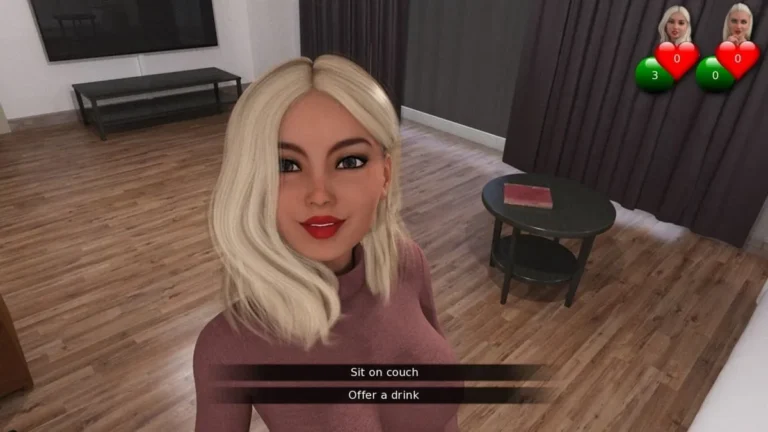
My Sweet Neighbors
Play My Sweet Neighbors
My Sweet Neighbors Screenshots

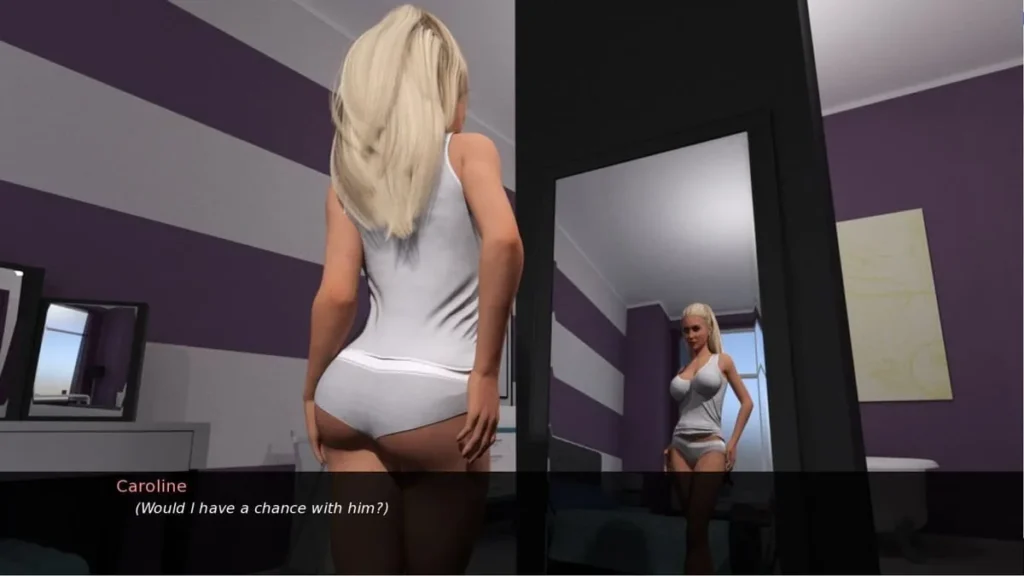
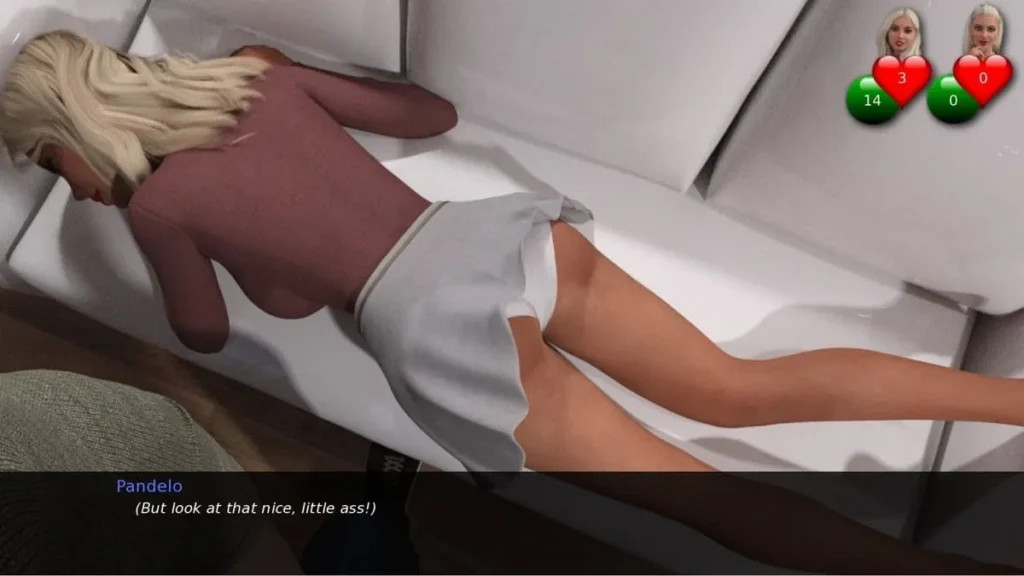

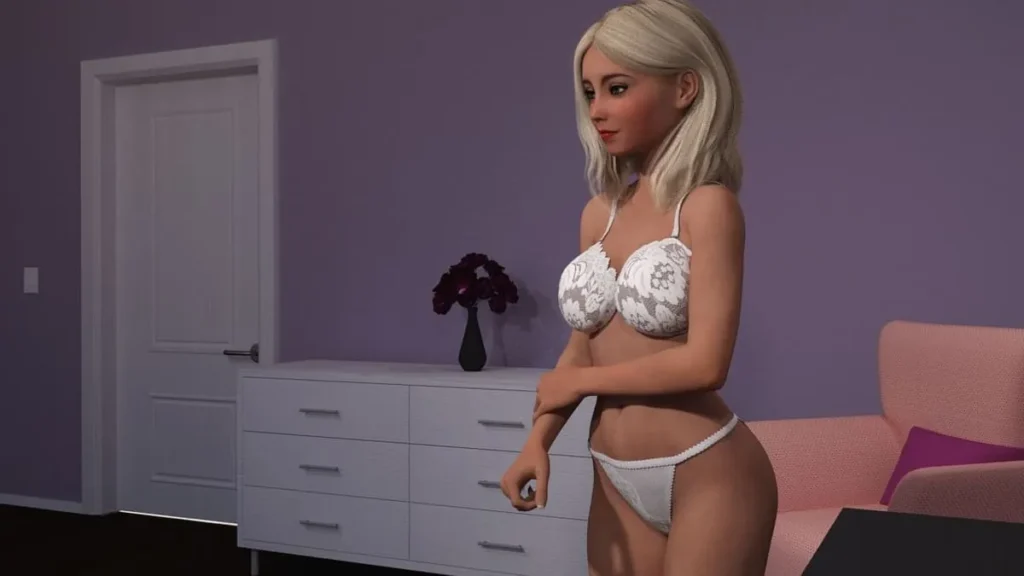

My Sweet Neighbors review
An in-depth, player-focused guide to My Sweet Neighbors
My Sweet Neighbors is a narrative-driven adult simulation game that centers on relationship-building, choice-based scenes, and character arcs, making it a frequent search target for players seeking walkthroughs and tips. In this post I’ll share my firsthand impressions, practical advice for getting the most out of the experience, and a clear roadmap for progressing through the main episodes. Whether you’re curious about mechanics, character routes, or how to avoid common pitfalls, this article will guide you step-by-step through My Sweet Neighbors and help you make informed choices while playing.
Getting Started: Installation, Requirements, and First Impressions
So, you’ve decided to move into the neighborhood! 🎉 Welcome. Before you can start solving puzzles and getting to know the eclectic residents of this charming town, there’s the essential—and sometimes tedious—task of getting the game onto your device. Don’t worry, I’ve been through it myself, and this guide will walk you through every step, from checking the My Sweet Neighbors system requirements to your crucial first hour of play. Consider me your friendly moving-day helper!
System and access requirements
First things first: can your computer handle the cozy chaos? The good news is that My Sweet Neighbors isn’t a graphically intense powerhouse; it’s a beautiful, stylized puzzle game. You won’t need a cutting-edge rig, but you should check the specs to ensure a smooth experience.
The game is primarily available for PC via official digital stores. When I first looked into the My Sweet Neighbors download, I was pleasantly surprised by how modest the demands were. My slightly older laptop handled it without breaking a sweat. Here’s a quick breakdown of what you’ll need:
| Platform | Minimum Specifications | Recommended Specifications |
|---|---|---|
| Windows PC | OS: Windows 7/8/10/11 Processor: Intel Core i3 or equivalent Memory: 4 GB RAM Graphics: Integrated graphics (Intel HD 4000+) Storage: 2 GB available space |
OS: Windows 10/11 Processor: Intel Core i5 or equivalent Memory: 8 GB RAM Graphics: Dedicated GPU (GeForce GTX 750 or similar) Storage: 2 GB available space (SSD recommended) |
💡 Pro Tip: Even if you meet only the minimum My Sweet Neighbors system requirements, the game should run. The recommended specs will simply ensure buttery-smooth animations and faster loading times, especially between levels.
Beyond hardware, think about access. You’ll need a stable internet connection for the initial download and any patches, plus an account on the platform you purchase from (like Steam). That’s really it! No convoluted sign-ups for in-game services—just buy, download, and play. 🖥️
Installation and initial setup
Alright, let’s get this game installed! The process for how to install My Sweet Neighbors is straightforward, but I’ll share my own experience and some tips to avoid common snags.
I purchased my copy on Steam. After payment, the My Sweet Neighbors download began immediately. The file isn’t huge—around 1.5 GB—so it took me about 15 minutes on my average home connection. The installation was automatic through Steam. However, here’s where I hit my only snag, a classic case of My Sweet Neighbors launcher issues: the game wouldn’t start on the first click! 🚫
A small window would appear and then vanish. If this happens to you, don’t panic. The most common fix is verifying the game files. On Steam, you right-click the game in your library, select ‘Properties,’ go to the ‘Installed Files’ tab, and click ‘Verify integrity of game files.’ This checks for corrupted data and re-downloads anything missing. It solved my problem instantly. Other potential launcher issues can be related to outdated graphics drivers or conflicting background software—so make sure your drivers are up to date!
Once the game launches, you’re greeted by the main menu. Before you dive in, let’s talk about the My Sweet Neighbors settings guide. Taking five minutes here can vastly improve your experience.
- Display & Graphics: The game usually defaults to your native resolution. Windowed mode can be handy if you like to alt-tab. V-Sync is on by default to prevent screen tearing; leave it on unless you notice input lag.
- Audio: The soundtrack and sound effects in this game are wonderfully atmospheric. I suggest turning down the ‘Interface’ volume slider a notch or two so the menu sounds don’t overpower the lovely background music and character noises.
- Gameplay: This is crucial! Look for text speed and auto-advance settings. As a visual novel/puzzle hybrid, there’s a lot of dialogue. I set my text speed to just below max so I can read comfortably without waiting. Also, enable subtitle backgrounds for better readability. There’s often an option to skip only previously read text—a lifesaver for replays.
Configuring these before you start means you won’t be fumbling with menus during a heartfelt conversation with a neighbor. It’s the digital equivalent of unpacking your favorite coffee mug first! ☕
First-hour play: what to expect
Now for the fun part—your My Sweet Neighbors first hour. This game does a fantastic job of welcoming you. The opening sequence is light on direct tutorial pop-ups and heavy on immersion. You’re introduced as the new person in a quirky, pastel-colored apartment building, and the manager quickly ropes you into helping out.
The interface is clean. Your primary toolbar will likely show your current objective, a hint button (don’t be shy to use it!), and your inventory for puzzle items. The settings and save/load menus are always accessible from a pause menu or a discreet corner icon. Speaking of saving, the game often uses an auto-save system at key story points, but I developed a habit of manually saving whenever I completed a major puzzle. Better safe than sorry!
The first hour is all about gentle introduction. You’ll meet one or two of your sweet neighbors, each with a distinct personality shining through in the writing and voice acting (if you have it enabled). The initial puzzles are designed to teach you the core mechanics: combining inventory items, using logic, and paying attention to environmental clues. For example, your first task might involve finding a way to fix a wobbly shelf for a neighbor, teaching you how to examine and interact with objects.
My personal recommendation for early play? Talk to everyone twice. Characters often have new dialogue after you complete a step in a puzzle. And click on everything that isn’t nailed down! The charm of the world is in the details, and sometimes a decorative item holds the clue you need.
Your immediate goal for this first session should be simple: Complete your first full neighbor request. This usually involves a multi-step puzzle and ends with a rewarding little cutscene that makes you feel like you’ve truly helped someone. That sense of accomplishment is the game’s core hook. You’ll wrap up your first hour having settled into your new virtual home, understanding the flow of gameplay, and probably already forming opinions about who your favorite neighbor might be. 👋
By taking care of the technical setup upfront, you free yourself to fully enjoy the heart and humor of My Sweet Neighbors from the very first minute. Now that you’re installed and configured, you’re ready to step out your front door and see what the neighborhood has in store. Happy puzzling
My Sweet Neighbors rewards careful choice-making, deliberate progression planning, and a willingness to experiment with different character routes. Start by ensuring your system is configured correctly, pay attention to relationship signals, and use save slots strategically to explore alternate outcomes. Lean on community resources when you hit technical snags or puzzling branching gates. If you try the tactics and personal techniques shared here, you’ll progress more smoothly and discover more of the game’s content — save often and enjoy the choices.