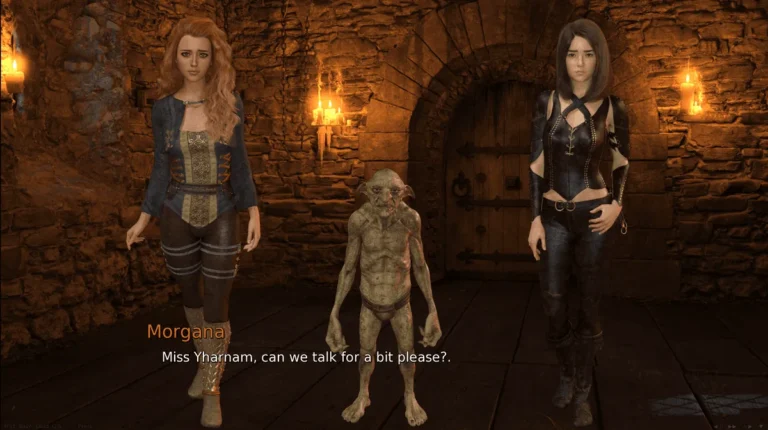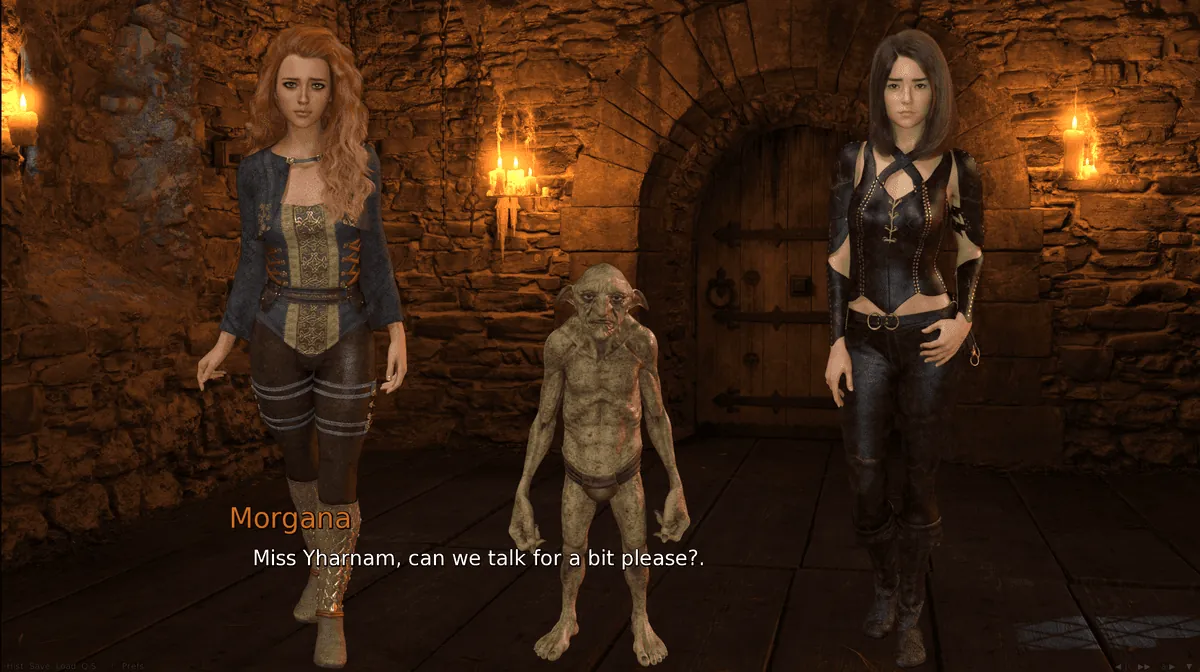
The Goblin’s Brides
Play The Goblin’s Brides
The Goblin’s Brides Screenshots
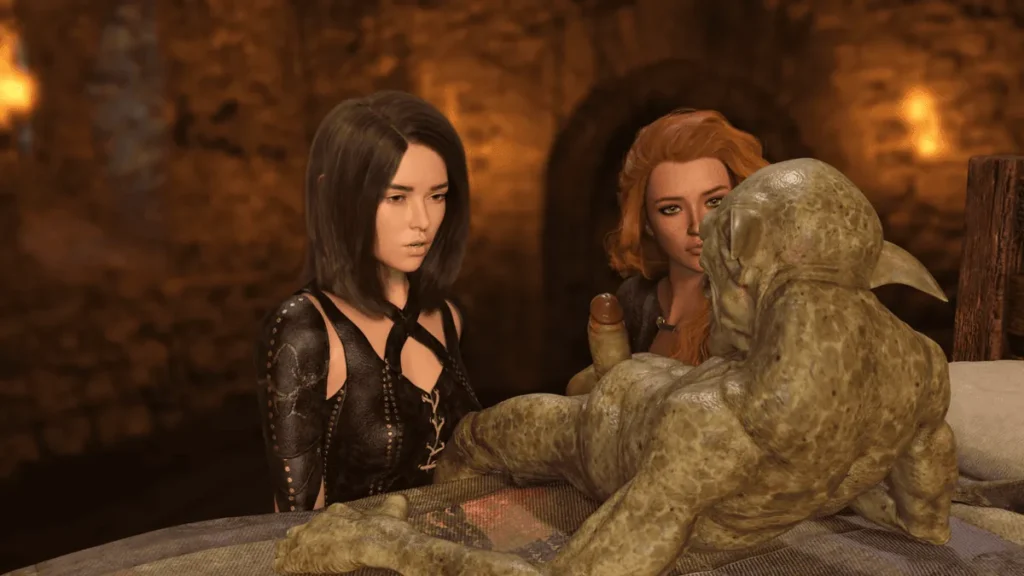
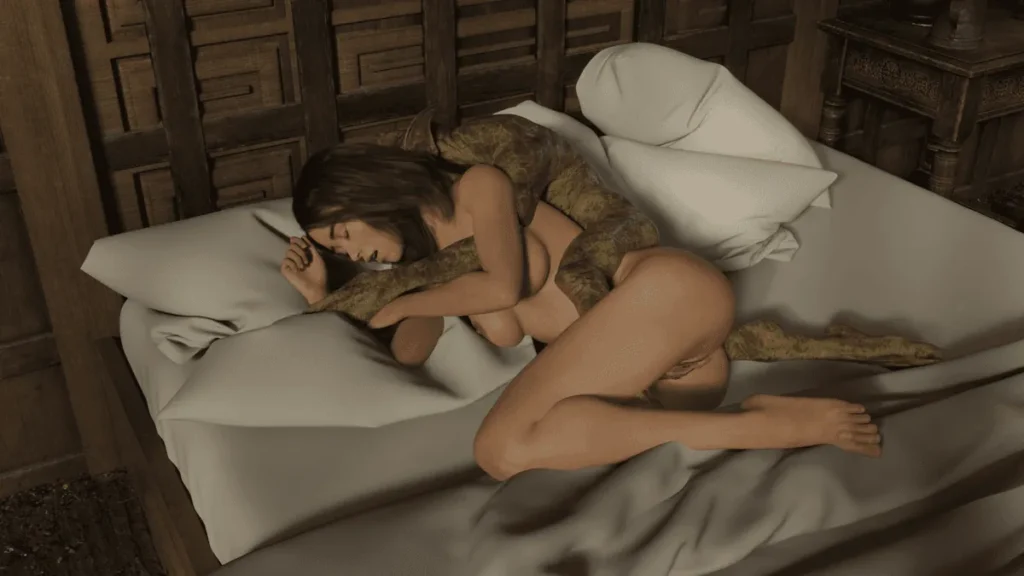
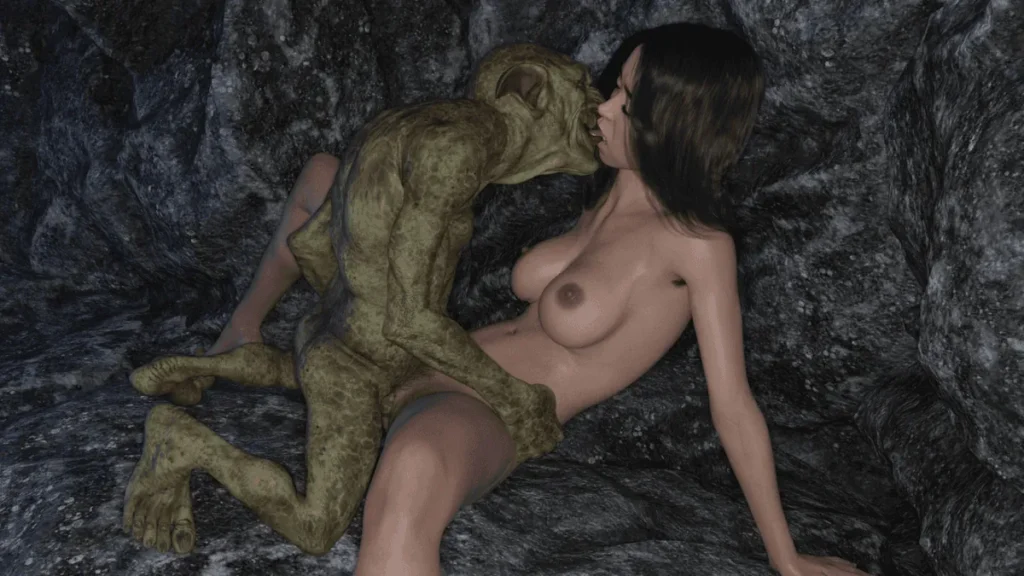
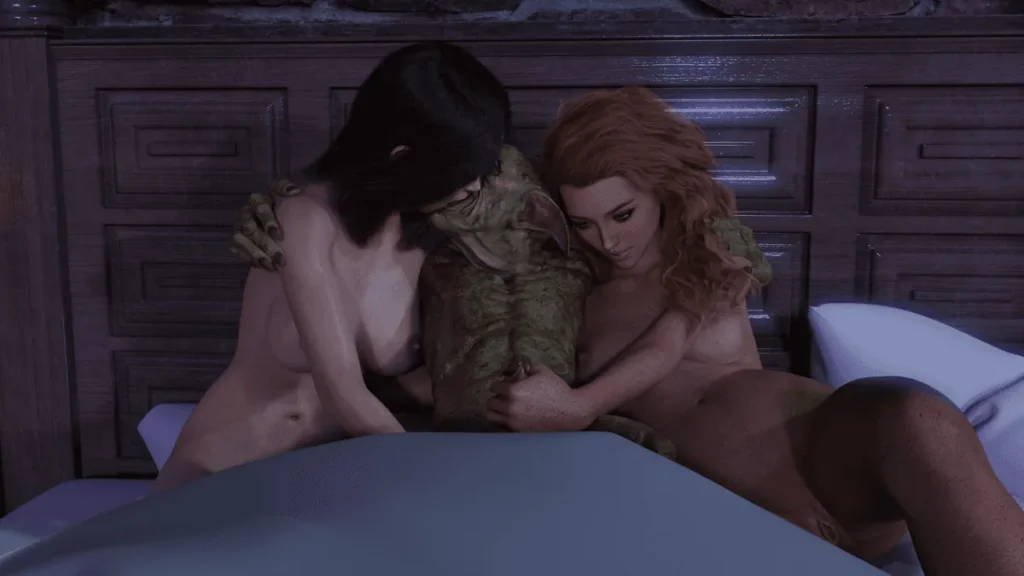
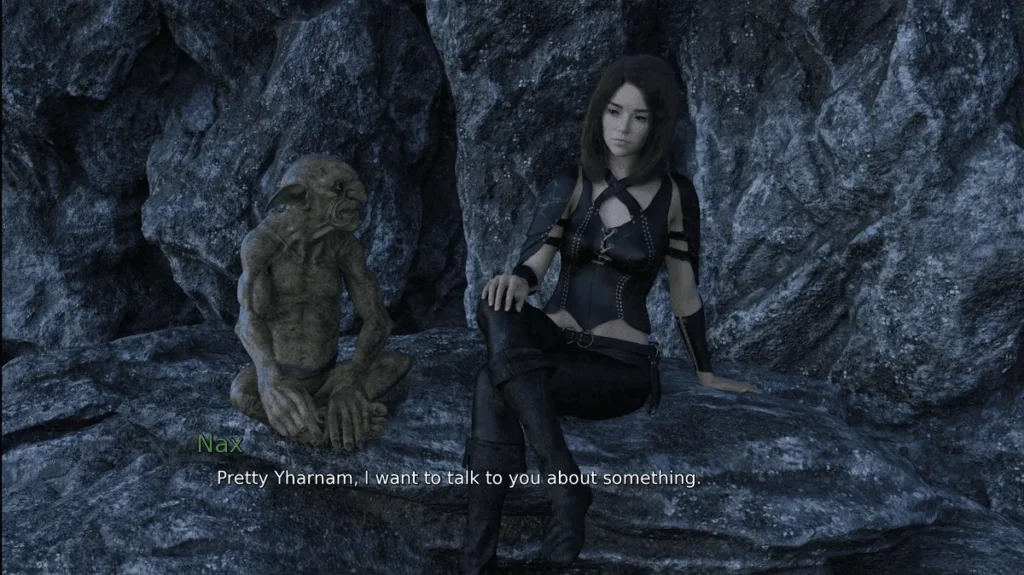
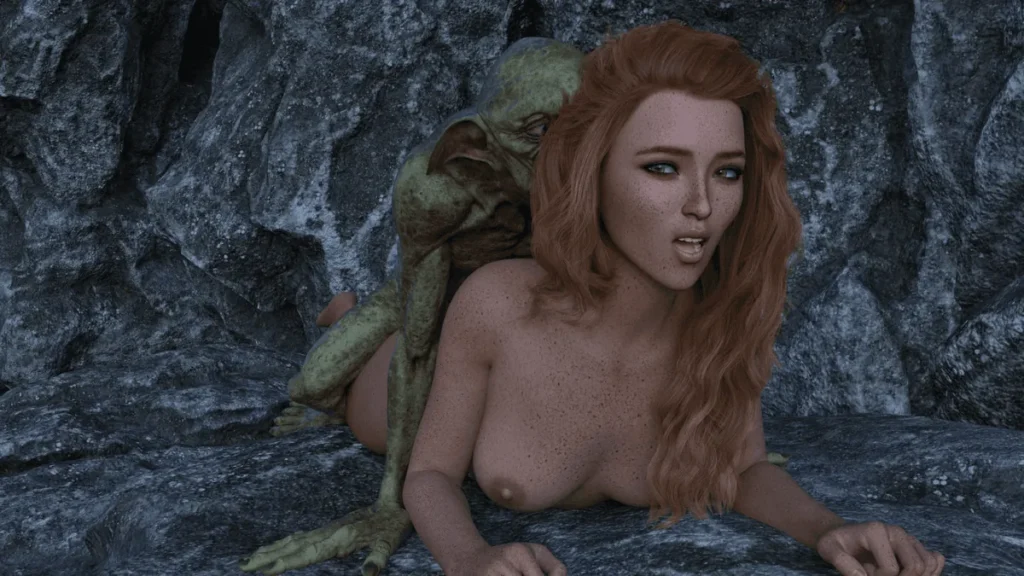
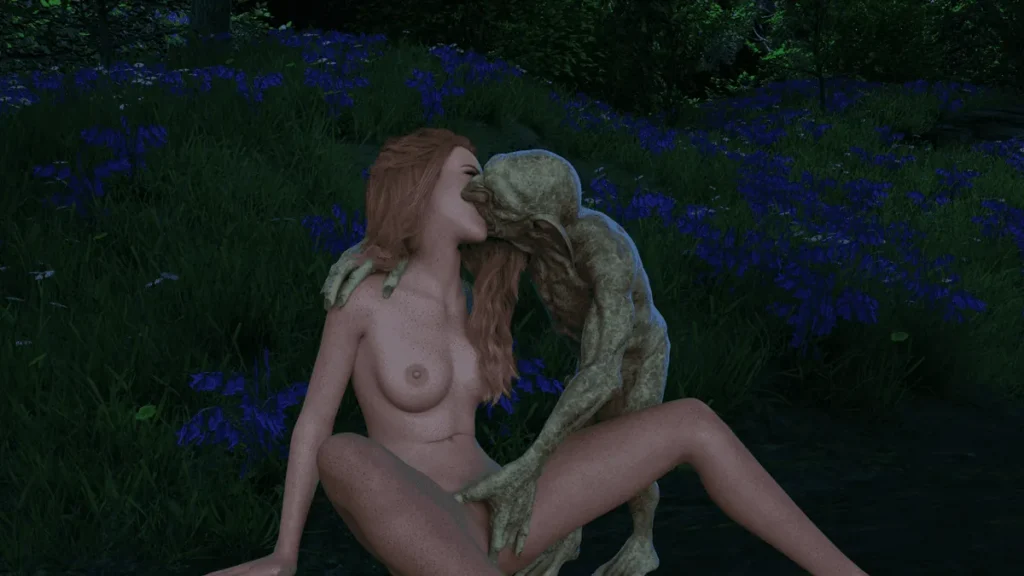
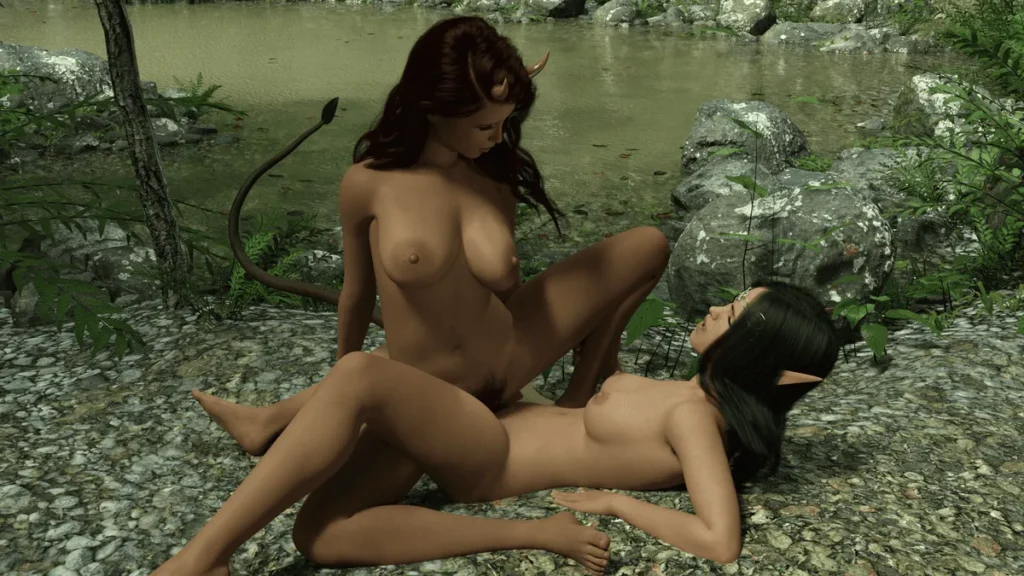
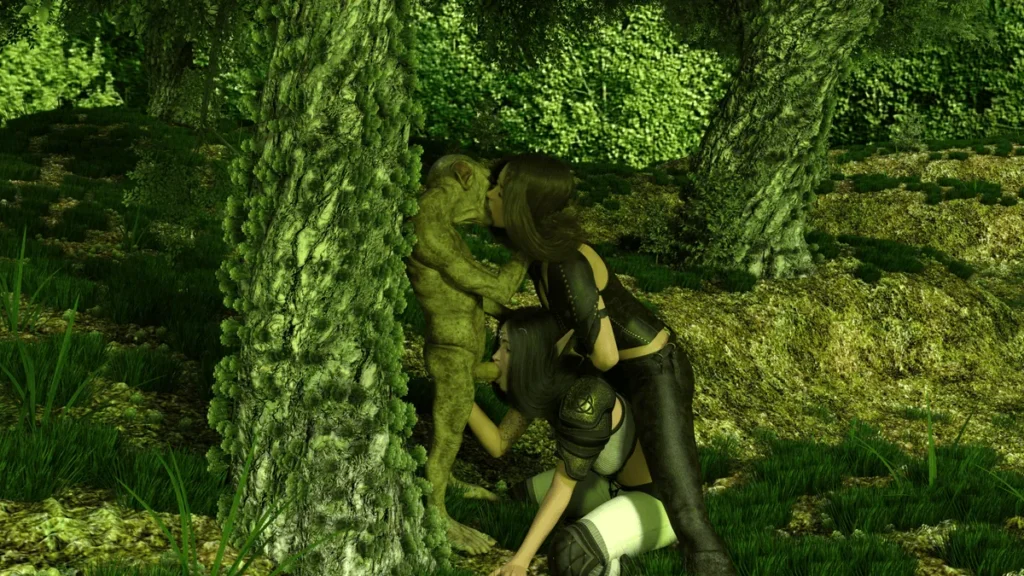
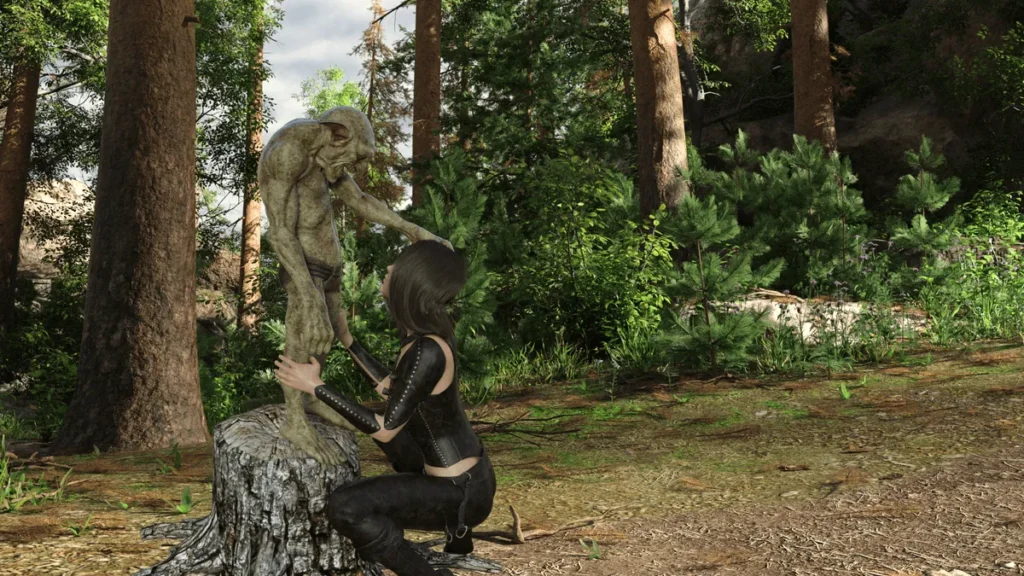
The Goblin’s Brides review
Explore gameplay mechanics, features, and what makes this indie title unique
The Goblin’s Brides stands out as an indie game that combines fantasy storytelling with character-driven narrative elements. This comprehensive guide explores everything you need to know about the game, from its core mechanics to character interactions and gameplay features. Whether you’re a seasoned indie game enthusiast or new to the genre, understanding what makes The Goblin’s Brides tick will help you appreciate its unique approach to interactive entertainment. Discover the game’s distinctive features, explore its character system, and learn what sets it apart in the crowded indie gaming landscape.
Understanding The Goblin’s Brides: Core Gameplay & Mechanics
So, you’ve heard the whispers about a game where you don’t slay the goblins, but rather, help them find love? 😄 Welcome to one of the most charmingly unconventional indie titles to grace our screens. The Goblin’s Brides gameplay isn’t about epic battles or saving the world; it’s a quiet, thoughtful, and deeply personal journey into a misunderstood corner of a fantasy realm. As someone who’s played more than their fair share of fantasy RPGs, I was instantly intrigued by this flip of the script. Instead of seeing goblins as mere XP fodder, you become their unlikely champion and matchmaker. This chapter is your map to understanding the heart of this experience—its mechanics, its relationships, and the magic of its character-driven narrative.
At its core, this is an interactive storytelling game that asks a simple but profound question: what does happiness look like for someone the world has cast aside? Your role is to guide a small, struggling goblin tribe by helping its members forge genuine connections with potential partners from various races. The core loop is deceptively simple: explore, talk, understand, and facilitate. But within that simplicity lies incredible depth, powered by its unique indie game mechanics that prioritize emotional intelligence over combat prowess. Let’s peel back the layers and see what makes this game tick.
### What Is The Goblin’s Brides and How Does It Work?
Imagine stepping into a lush, painted forest village where the inhabitants aren’t monsters, but individuals with hopes, fears, and terrible social skills. 🍄 That’s the premise of The Goblin’s Brides. You play as an outsider—a human traveler, a lost elf, or perhaps something else—who stumbles upon the Gnarled Root tribe. Instead of driving you out, the chieftain sees an opportunity: you understand the “tall folk” and their ways. Your mission? Help his eligible goblins court brides (or grooms!) to secure the tribe’s future through alliance and affection.
The game’s structure is a beautifully paced mix of visual novel and life simulation. Each in-game day, you can explore the village and its surrounding areas, chat with the goblin bachelors and the visiting suitors, gather information, and complete small tasks. These aren’t generic fetch quests, though. A task might be “find out what kind of flowers Elara the dryad likes,” which leads you to have three different conversations to piece together the clue. It’s a choice-based gameplay structure where every interaction is a brick in the path toward a successful match.
The fantasy game features here are soft and integrated. You’ll encounter dryads, humans, dwarves, and other classic races, but the fantasy isn’t in world-ending threats. It’s in the whispering trees, the magical glows of a shy sprite, and the ancient traditions of the goblins themselves. The setting frames the entire experience, reminding you that this is a world where magic influences emotion and growth—literally. A successfully nurtured relationship might cause rare flowers to bloom in the village square, a visual testament to your progress. It’s a low-stakes, high-reward fantasy that feels wonderfully refreshing.
### Key Gameplay Mechanics and Systems
Diving into The Goblin’s Brides gameplay means getting acquainted with systems that value social strategy. Forget skill trees for swordsmanship; here, your “stats” are your perception, empathy, and diplomatic knowledge. The game brilliantly uses a series of interconnected mechanics to create a satisfying sense of progression.
First is the Observation Journal. As you talk to characters, you fill a journal with notes about their likes, dislikes, fears, and past experiences. This journal is your most crucial tool. It’s not automatically filled—you have to actively listen and select the most relevant information to log. I learned this the hard way! In my first playthrough, I was so busy trying to be everyone’s friend that I failed to properly note that Krell the goblin was terrified of large bodies of water. When I later suggested a romantic boat trip with a naiad suitor… well, let’s just say it was a very short, very damp disaster. 💦
Second is the Dialogue Web. Conversations aren’t linear. Instead, you choose from topics that branch out, sometimes unlocking new topics only if you’ve learned specific information elsewhere. This creates a wonderful “aha!” moment when you can finally ask about a character’s lost heirloom because you found it earlier while helping another character. It makes the world feel deeply connected.
The third pillar is the Favor System. Completing tasks and giving thoughtful gifts (informed by your Journal) builds Favor with both the goblin and their suitor. This isn’t a simple meter you max out. It’s a measure of trust and openness. High Favor unlocks deeper, more vulnerable conversations and opens up new narrative paths. This system is the engine of the character relationship system, transforming it from a numbers game into a story of growing intimacy.
To give you a clearer picture of how these choices ripple out, here’s a breakdown:
| Core Mechanic | Player Choice Example | Potential Consequence |
|---|---|---|
| Observation & Journaling | Logging that “Brenna the Dwarf values practical skills over poetry.” | Unlocks dialogue option to suggest a joint forging session with Grubnik the goblin, boosting their compatibility. |
| Topic-Based Dialogue | Choosing to discuss “Forest Myths” with an Elven suitor instead of “Goblin Cuisine.” | Reveals her fear of a local legend, allowing you to later reassure a goblin who references it, preventing a misunderstanding. |
| Favor & Gift Giving | Giving a bundle of rare Spider-Silk threads to a seamstress suitor. | Dramatically increases Favor, triggering a special scene where she confesses her insecurities about fitting into the tribe. |
| Event Planning | Organizing a moonshine tasting versus a quiet stargazing night. | Leads to a boisterous, bonding success for an extroverted pair, but would cause a disastrous, awkward silence for a shy couple. |
Finally, the game’s progression is measured in successful matches and the overall vitality of the village. Each completed courtship brings new characters, unlocks new areas of the forest, and introduces more complex relationship dynamics to manage. This choice-based gameplay ensures no two playthroughs are identical, as your successes and failures permanently shape the tribe’s composition and the stories that unfold.
### Character Interaction and Relationship Building
This is where The Goblin’s Brides truly shines and earns its title as a premier interactive storytelling game. The character relationship system isn’t a sidebar; it’s the entire point. Every character, from the gruff goblin blacksmith to the elegant elf scholar, is written with remarkable nuance. They have conflicting desires, hidden wounds, and personal growth arcs that you directly influence.
Relationships develop in stages, mirroring real-world connections. It starts with Introduction and moves through Building Rapport, Navigating Conflict, and finally, Deep Commitment. Your role is the catalyst. You don’t control the characters, but you create the opportunities for them to connect. For instance, you might notice that both a goblin and a human suitor have mentioned a love for ancient history. By “suggesting” they both help you translate some old runes (a task you conveniently set up), you create a neutral, shared activity where their bond can form organically.
The game’s masterstroke is its character-driven narrative. The overarching story of saving the tribe emerges solely from the collection of these small, personal stories. There is no villainous force threatening the village; the “antagonist” is often misunderstanding, prejudice, or personal insecurity. Resolving a conflict might involve helping a proud dwarf admit he needs help, or guiding a goblin to be more vulnerable. It’s emotionally demanding gameplay in the best way possible.
Pro Tip: Don’t try to speed-run courtship. The most rewarding moments often come from “failed” choices that reveal a character’s depth. One of my most memorable playthroughs involved a match that initially fell apart, leading to a series of scenes about heartbreak and self-discovery that were more powerful than any easy success.
Let’s look at a real gameplay scenario to see this system in action. Imagine you’re working on a match between Slag, a goblin artisan who is insecure about his crude craftsmanship, and Mira, a human herbalist who appears quiet and stern.
- Stage 1: First Impressions. Talking to Slag, you log his “fear of being seen as primitive.” Talking to Mira, you log her “frustration with careless damage to forest plants.”
- Stage 2: Fostering Connection. You recall Slag mentioned using fallen bark for carvings. You suggest he show Mira his sustainable harvesting method. This choice respects her values and showcases his hidden sensitivity.
- Stage 3: Navigating Conflict. Their first direct meeting goes well, but later, Slag tries to impress her by wildly over-carving a gift, damaging a living tree. Mira is furious. You now have a choice: do you coach Slag to give a heartfelt apology about his insecurity, or do you explain to Mira the goblin cultural pressure to provide elaborate gifts?
- Stage 4: Resolution & Growth. Your choice here doesn’t just affect their relationship meter; it determines their character arcs. A good resolution might see Slag learning simplicity has its own beauty, and Mira learning to see the intent behind clumsy actions. The story that results is uniquely yours.
This nuanced, choice-based gameplay ensures you’re not just checking boxes. You’re an active participant in a living, breathing character-driven narrative. The fantasy game features—like magical reactions to mended relationships—feel earned because they are built on a foundation of authentic human (and goblin!) emotion. For new players, my strongest advice is to listen more than you speak, let your curiosity guide you, and embrace the unexpected turns. This isn’t a game about winning. It’s a game about understanding. And in today’s gaming landscape, that makes The Goblin’s Brides and its delicate, profound indie game mechanics truly unique. 🌿✨
The Goblin’s Brides represents a compelling entry in the indie game market, offering players a unique blend of fantasy storytelling and character-focused gameplay. Through its distinctive mechanics and relationship systems, the game creates an engaging experience that rewards player choice and emotional investment in character development. Whether you’re drawn to narrative-driven games, character interactions, or indie gaming experiences, The Goblin’s Brides delivers a memorable adventure. If you’re interested in exploring games that prioritize storytelling and character depth, this title deserves a place on your gaming list. Start your journey today and discover what makes The Goblin’s Brides a standout indie experience.